
Traffic Violation Detection on CCTV or AI Cameras
Traffic violation detection is software that checks every tracked vehicle against the rules you set and raises an event when a rule is broken. GoodVision Live Traffic detects four violation types live on existing CCTV or supported AI cameras: wrong-way driving, speed limit violations, vehicle stops and illegal parking. It is built for highway and tollway operators, and each event reaches your systems in under a second.
Which Violations Does GoodVision Detect?
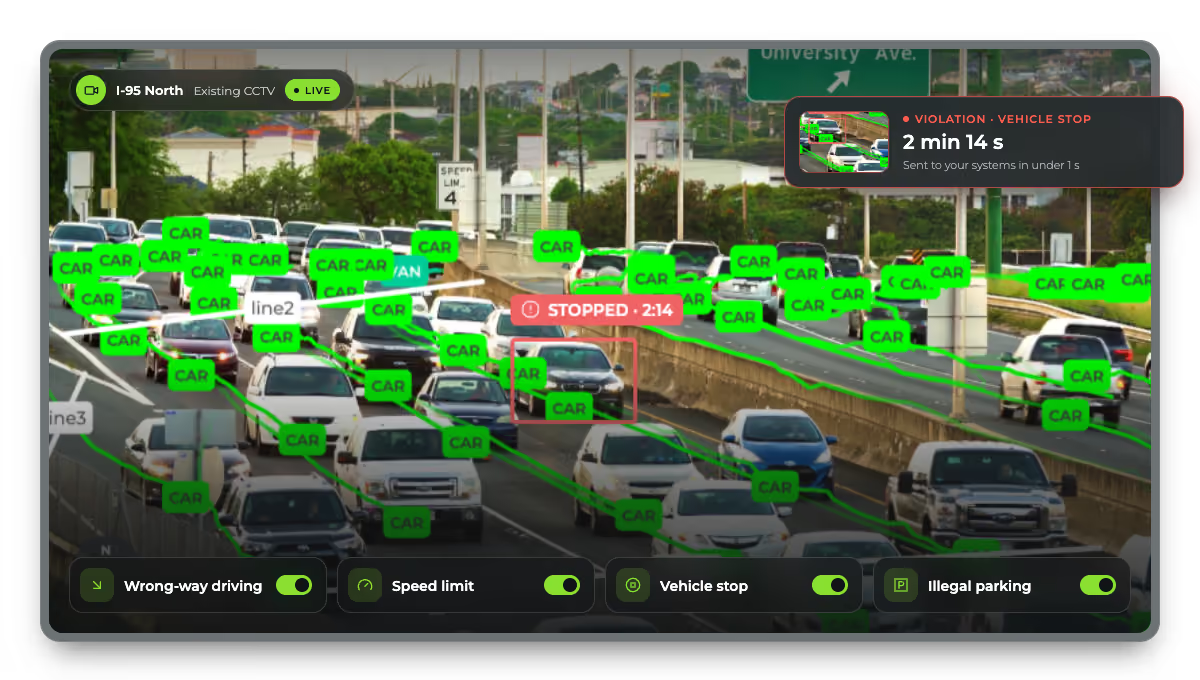
GoodVision Live Traffic groups its violation scenarios in one Violations group, and that group holds four types today. Each one runs live on a camera you choose, with the rules you set for that camera. Further violation types can be built for your program, as the last card below explains.
Wrong-Way Driving
A vehicle moving against the permitted direction in a lane you define raises a live event.
Speed Limit Violations
Measured speed is checked against the limit you set, per lane and per vehicle class, so a temporary limit can apply to one stretch.
Vehicle Stops
Vehicle stop detection flags a vehicle that stops in a zone you draw, such as a running lane, a hard shoulder or a junction approach.
Illegal Parking
Illegal parking detection flags vehicles left in no-parking and delivery zones, with an image for every event.
Need Another Violation Type?
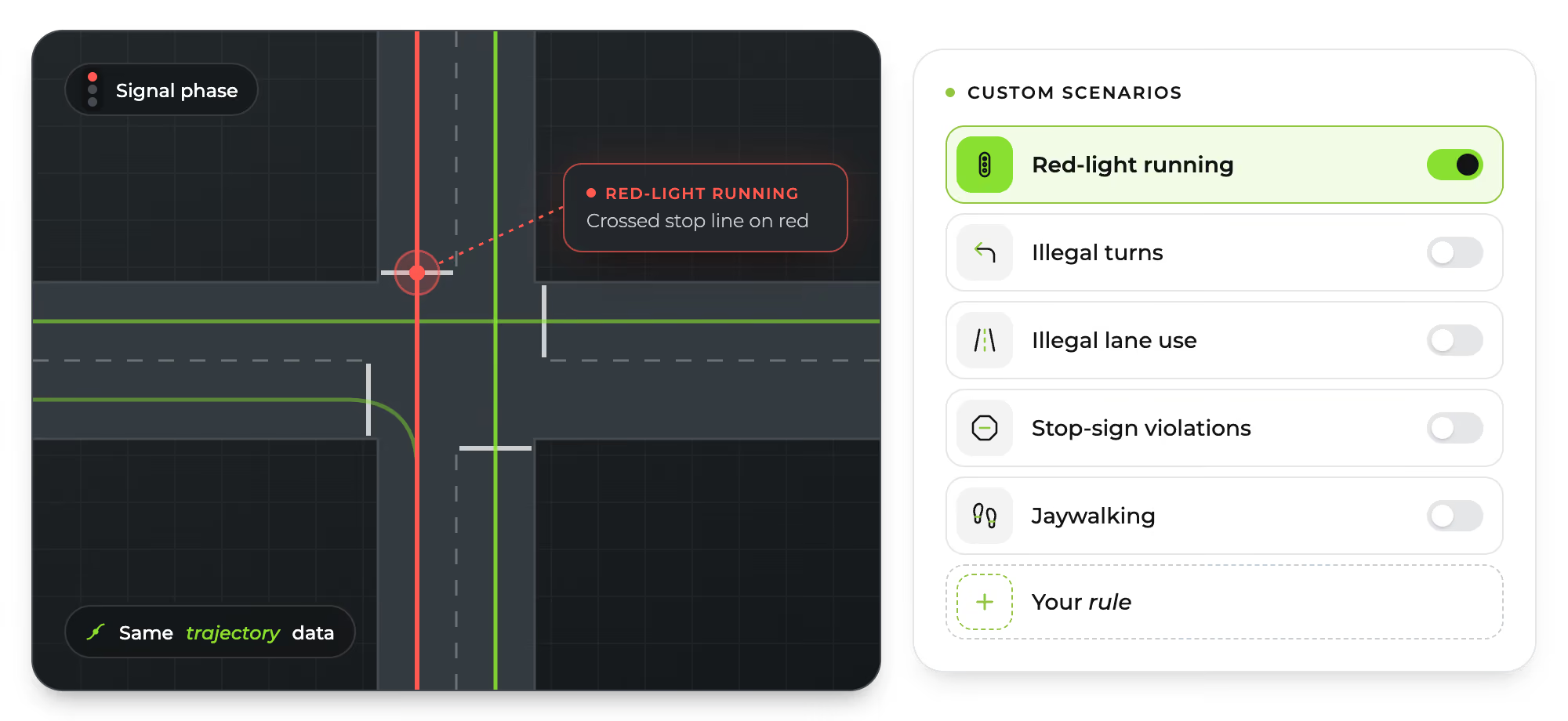
Red-light running, illegal turns, illegal lane use, stop-sign violations and jaywalking can be built for your program as custom scenarios on the same trajectory data. Tell us the rules you enforce and our engineers scope the detection with you.
How Does a Violation Become an Event?
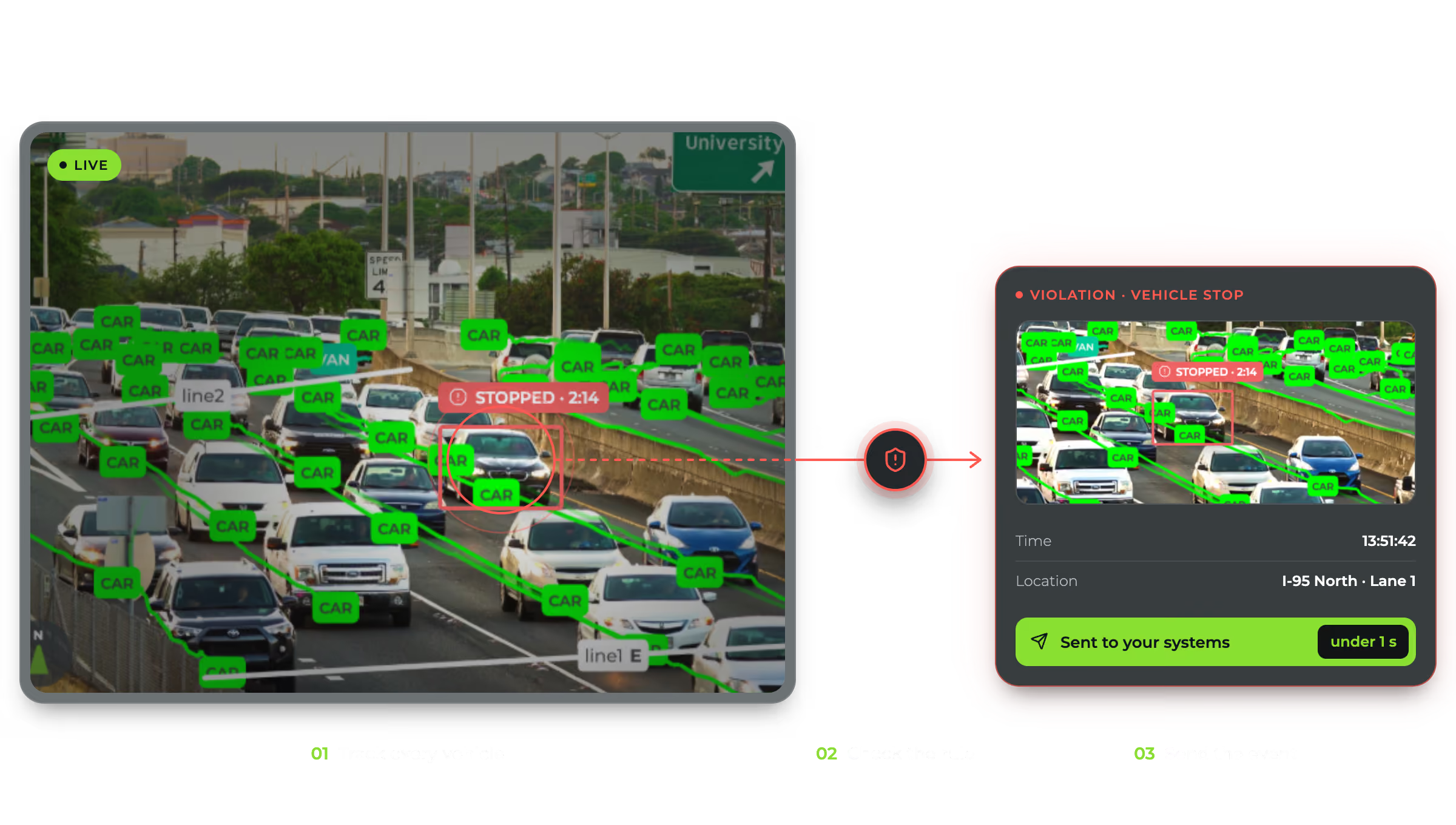
GoodVision detects, classifies and tracks every road user in the live stream, then checks each track against the violation scenarios on that camera. When a vehicle breaks a rule, GoodVision creates an event with its time and location and sends it to your systems over HTTPS in under a second. The image snapshot is available through the API.
Rules Set per Camera
Define directions, lanes, zones, speed limits and vehicle classes for each camera from the web interface.
Built on Trajectories
Every vehicle is followed through the view, so a violation is judged on the vehicle's whole movement.
Evidence With the Event
The REST API returns an image snapshot for each detected event, so a reviewer sees what the camera saw.
Sent in Under a Second
Events go over HTTPS to your control room, your enforcement system or a third-party platform.
Listed for Review
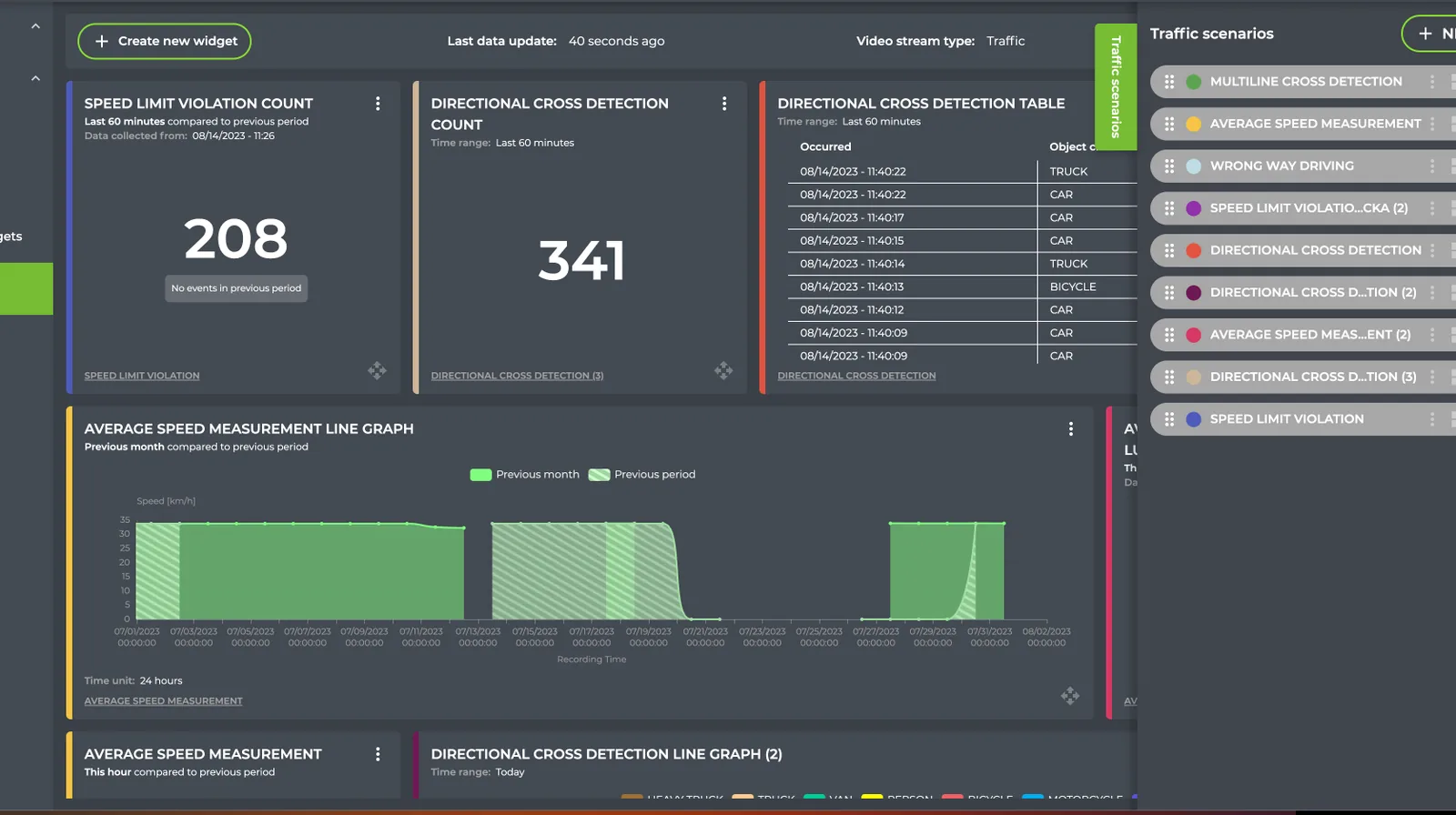
An Event List widget on the dashboard shows each violation as it arrives, in a table.
Reported in .xls
The Event Report exports individual events with precise timestamps and parameters, and the Count Report totals them.
Where Violation Detection Fits on a Highway
On a highway, the four violation types answer operational questions as much as enforcement ones. A wrong-way driver on a ramp and a vehicle stopped in a live lane are also incidents, which is why the same scenarios power automatic incident detection. You configure each camera for the stretch of road it watches.
Ramps and Slip Roads
Wrong-way detection on the cameras that cover exit ramps and slip roads, set to the permitted direction of each lane.
Work Zones
Set the temporary speed limit on the cameras covering the closure and flag every vehicle over it, lane by lane.
Hard Shoulders and Pull-Offs
Vehicle stop and illegal parking detection on the zones where a stationary vehicle is a hazard or a breach.
For Cities Too
The same four violation types run at junctions and on city streets, on the same cameras that count traffic. The cities and municipalities page shows how violation detection sits alongside intersection counts and parking. For curbside enforcement, see parking monitoring.
Send Violations to the Systems You Already Run
GoodVision Live Traffic integrates through APIs with enforcement systems, traffic management systems, smart city platforms and ITS ecosystems. Each violation event arrives with its parameters, and the REST API returns its image snapshot. Your team keeps reviewing cases in the tools it already uses.
Enforcement Systems
Violation events passed to the back office that reviews and processes them.
Traffic Management Systems
Wrong-way and stopped-vehicle events into the control room, where they are handled as incidents.
Your Own Data Platform
Violation counts and events exported for trend analysis and reporting.
Questions About Traffic Violation Detection
These answers cover what operators ask before they plan an enforcement or compliance program on GoodVision: which violations it detects, what evidence comes with each event, which cameras it needs, whether it reads number plates, and how it relates to incident detection. Each answer is short and says what runs today and what we build for you.
Which Traffic Violations Can GoodVision Detect?
Four types run live today: wrong-way driving, speed limit violations, vehicle stops and illegal parking. Red-light running, illegal turns, illegal lane use, stop-sign violations and jaywalking can be built for your program as custom scenarios.
What Evidence Comes With a Violation Event?
Each event carries its timestamp and parameters, and the REST API returns an image snapshot of the detected event. The Event Report exports the full list in .xls format.
Does It Read Number Plates?
License plate reading can be scoped for your program. Tell us what you need to read and where, and our engineers confirm the camera setup with you.
Do We Need New Cameras?
Usually not. GoodVision reads standard RTSP streams in H.264 or H.265, from 640x480 up to 1920x1080, at 10 to 50 frames per second. Vehicles need to fill at least 5% of the camera view.
How Fast Does an Event Arrive?
In under a second from detection, over HTTPS, to your control room, enforcement system or third-party platform.
How Is This Different From Incident Detection?
Wrong-way driving, vehicle stops and speed limit violations are also AID event types. The difference is where you route them: to dispatch as an incident, or to enforcement as a violation.
See Which Violations Your Cameras Already Capture
Send us a stream or a recording from one of your cameras and we will show you the violation events GoodVision raises in it.