
The Detection Layer Inside the System You Sell
GoodVision is AI traffic detection you embed in your own ITS offering. It reads any RTSP camera, runs on the camera, at the edge or on a server, and hands you events and traffic data over HTTPS, webhooks, MQTT or a REST API. You keep the customer relationship and the brand. This page covers the technical side, and White-Label Deployment covers the commercial terms.
Raw Data and APIs
GoodVision hands your platform structured traffic data, ready for your system to read. Events such as wrong-way driving and stopped vehicles reach your system over HTTPS in under a second, and a public REST API returns counts, speeds and occupancy aggregated from one second to 24 hours, filtered by object class and by lane.
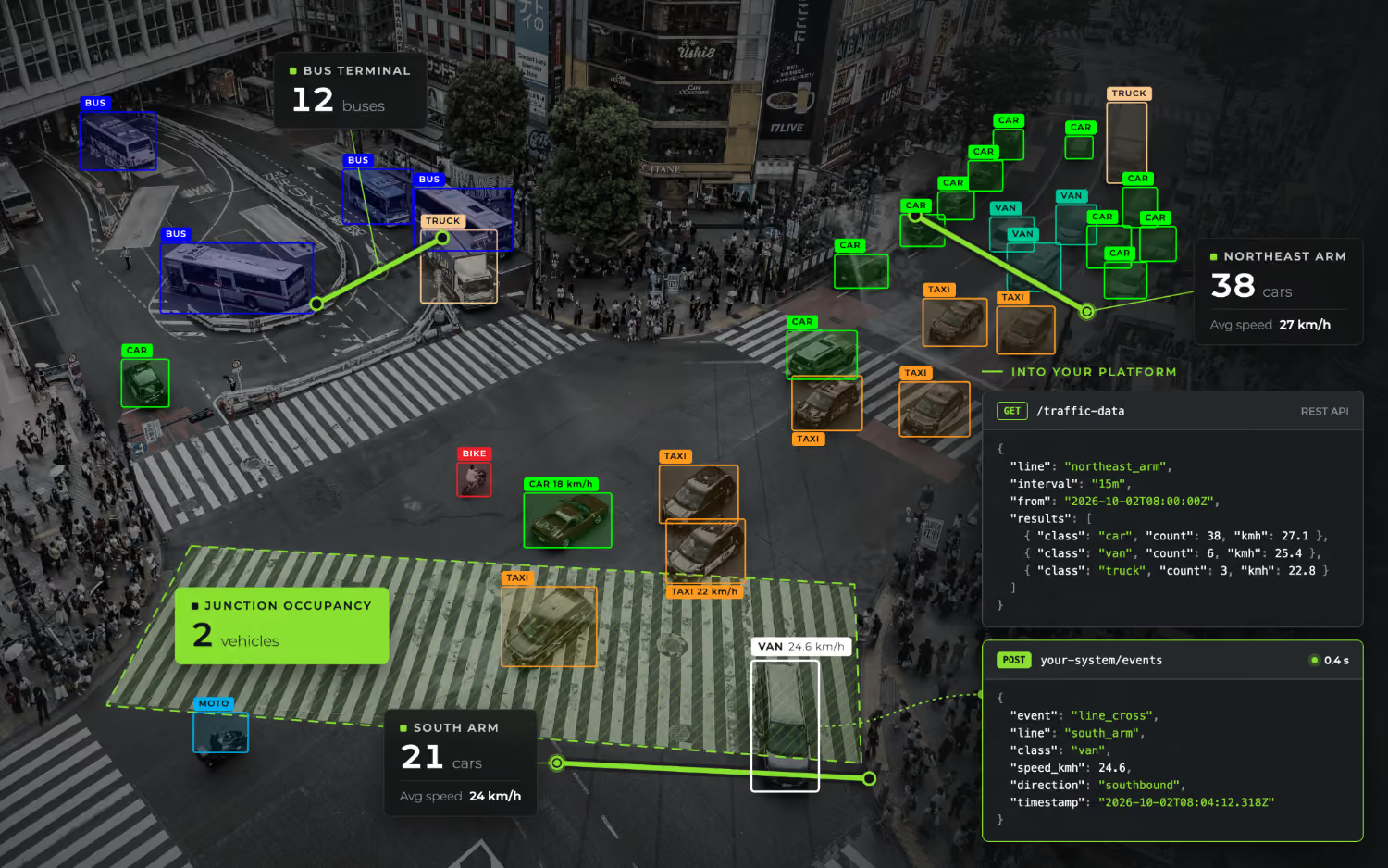
Events in Under a Second
Wrong-way driving, stopped vehicles, congestion and speed limit violations, each pushed over HTTPS with a timestamp, its parameters and an image snapshot.
A Public REST API
Navigate the project structure, read the metadata for any monitoring point and query any parameter from one second to 24 hours. The documentation is public.
Push for Alerts, Pull for Analysis
Push events over HTTPS, webhooks or MQTT, and pull aggregates from the REST API on your own schedule.
Deployment Topologies
GoodVision runs in one of three places, and you choose the one that fits the tender, the network and the data-residency rules. Every option reads the cameras already installed. The edge device and your own server take any RTSP camera in H.264 or H.265.
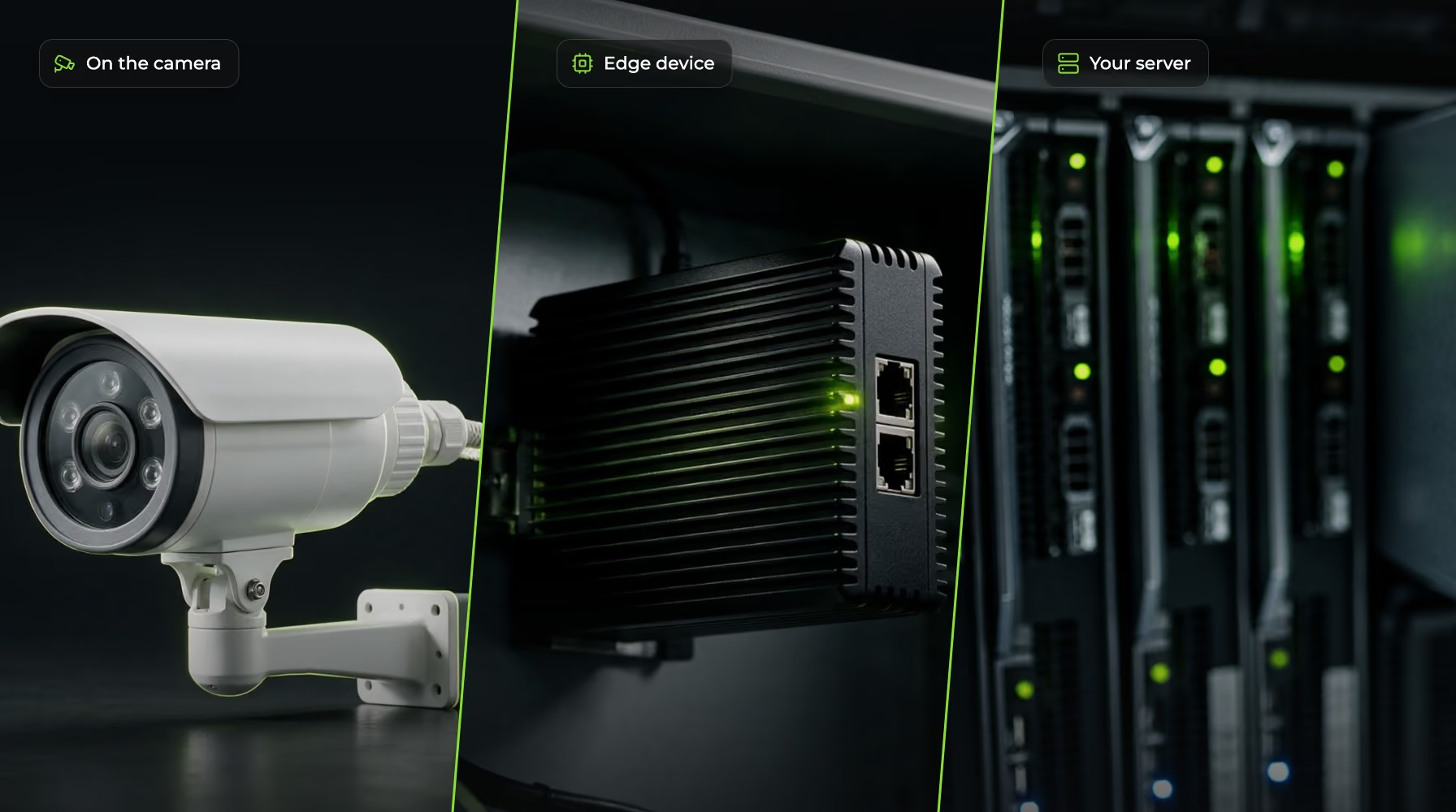
On-Camera
An AXIS® camera with a DLPU. The AI runs on the device itself.
Edge Device
A reComputer-Industrial-J4012 sitting in the cabinet next to your existing CCTV cameras.
Your Own Server
Run the engine on your own NVIDIA GPU server, with any camera you already operate.
White-Label Deployment
White-label deployment puts your brand, logo and subdomain on the GoodVision platform, so your customer buys a local solution from you. GoodVision stays in the background as the detection layer. You set the price, you keep the relationship and you work one project at a time, with no exclusivity and no minimum volume.
Your Brand
Your logo, your subdomain and your interface branding are what the end customer sees.
Your Price
A margin you set yourself, quoted per project.
Local Where It Has to Be
Plenty of public authorities can only buy from domestic suppliers. Under your brand, GoodVision is a domestic solution.
Integrations Running Today
These integrations run on production networks today. Each row describes the customer by segment and region, gives the number that made the project concrete and says how the data reached the customer's own systems.
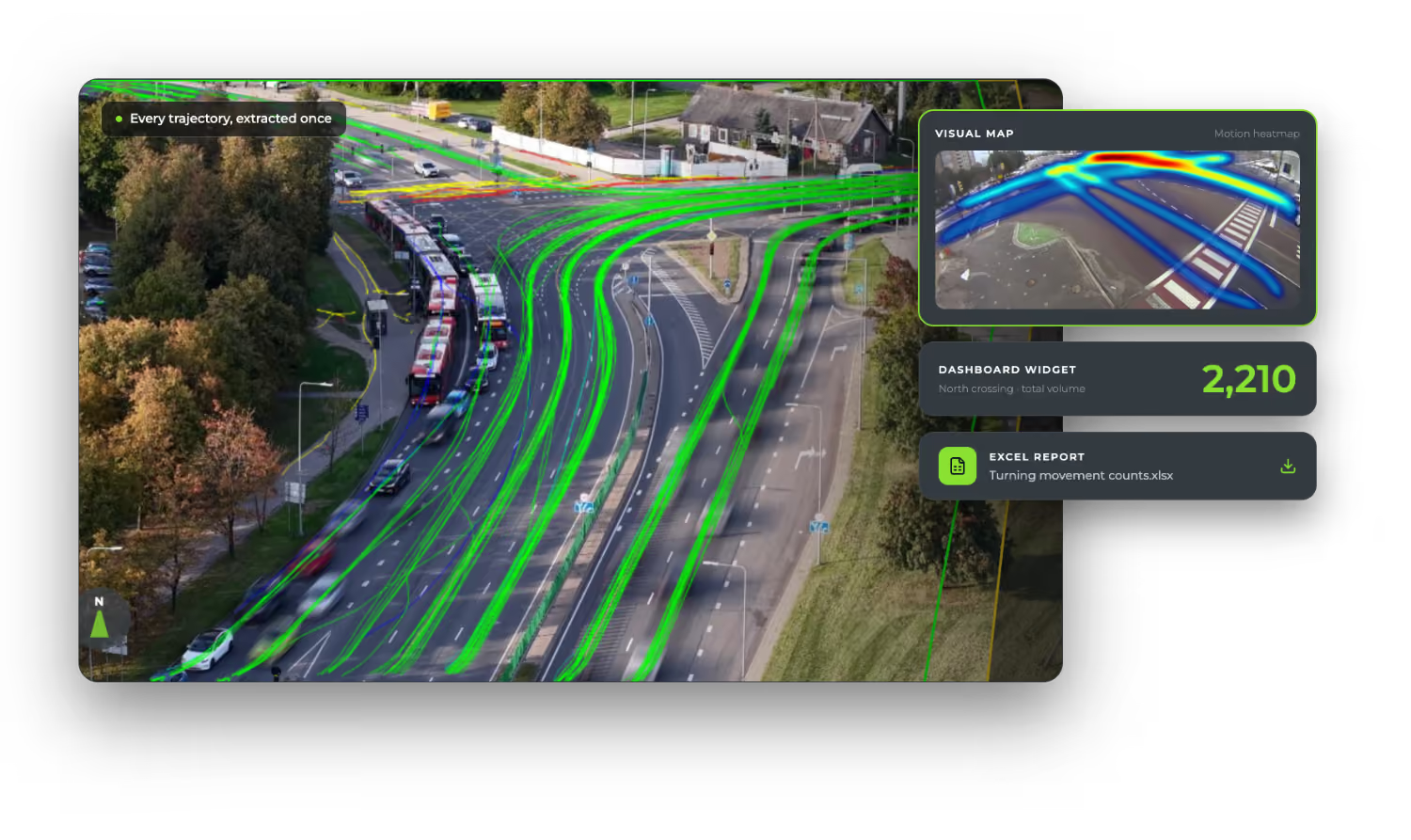
Real-time counting from weatherproof roadside cabinets, delivered 24 hours a day as JSON over MQTT to the customer's Azure server.
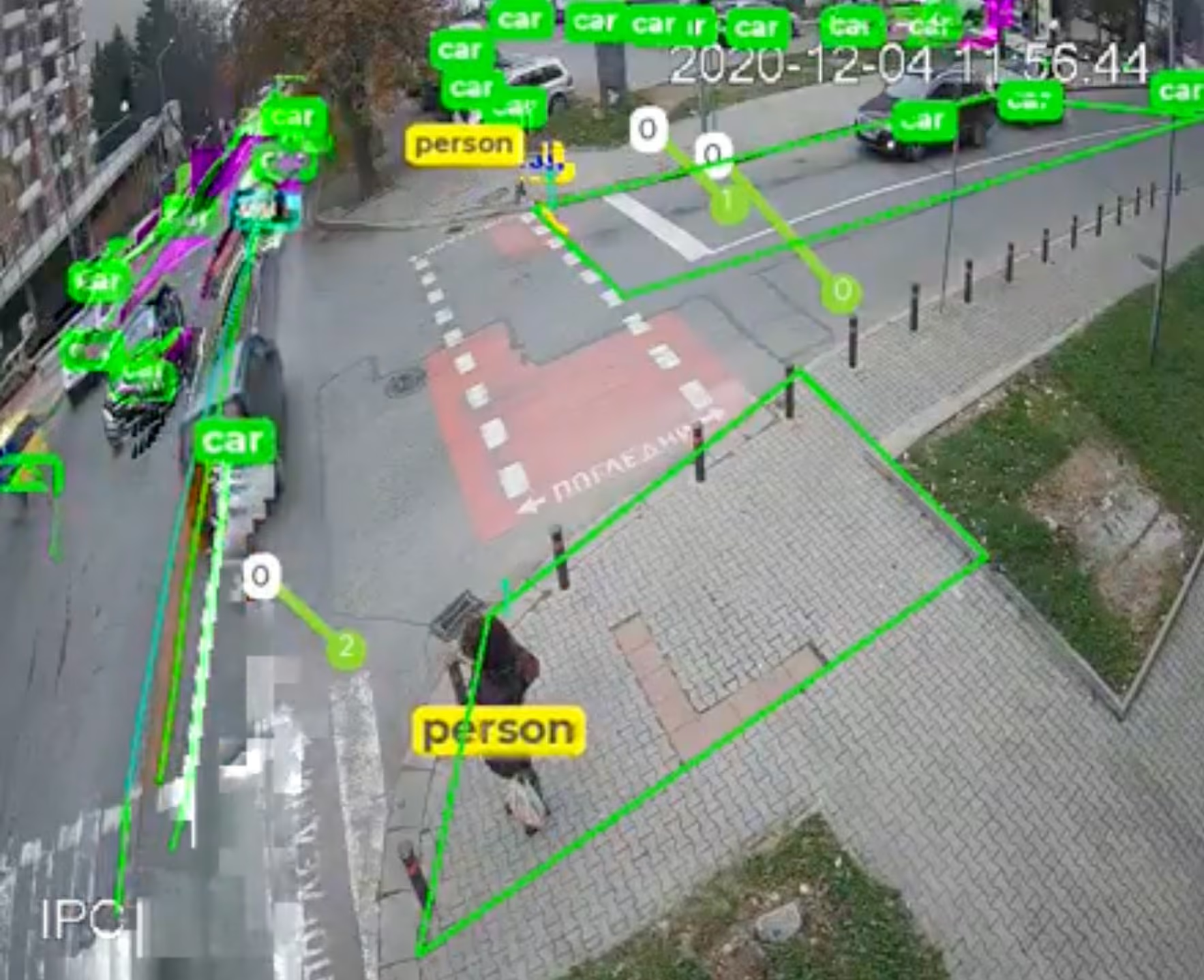
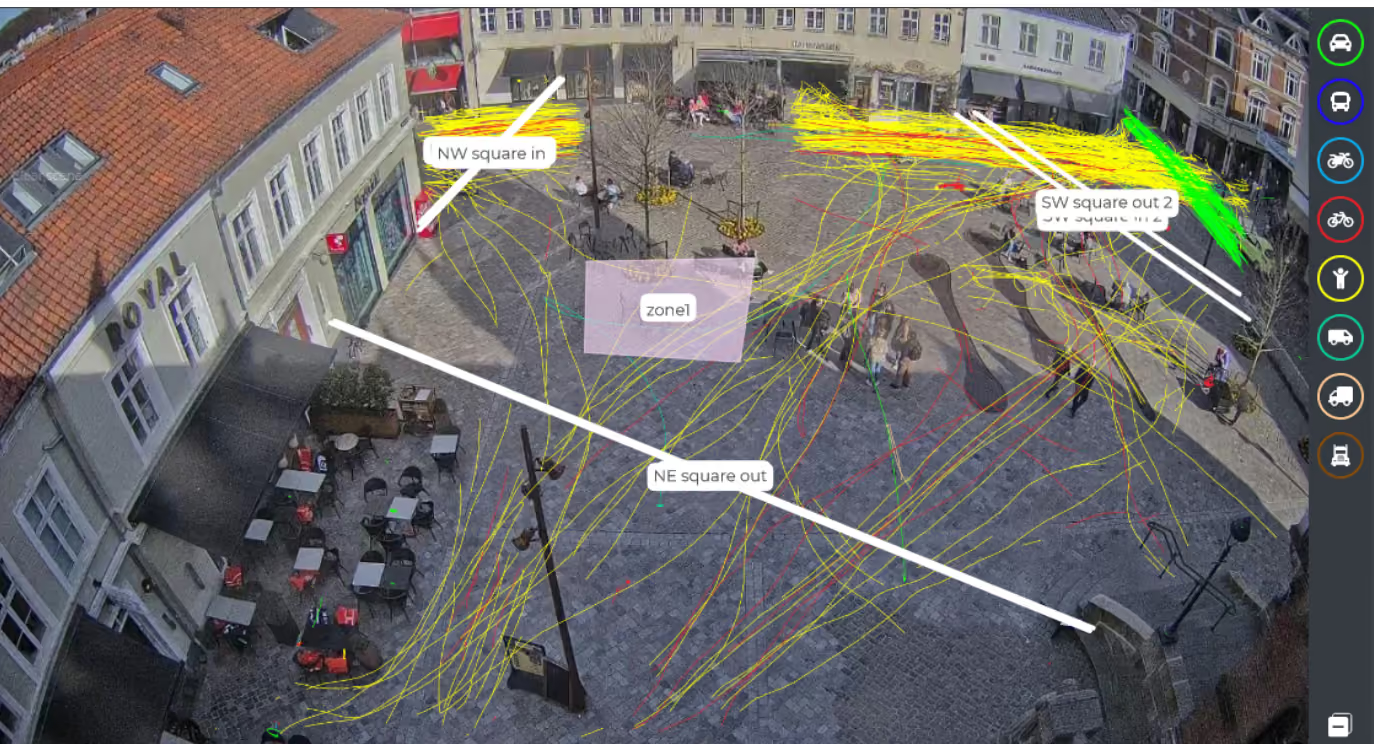
Edge processing on a city's existing IP cameras, integrated with the integrator's own traffic control system through the API.
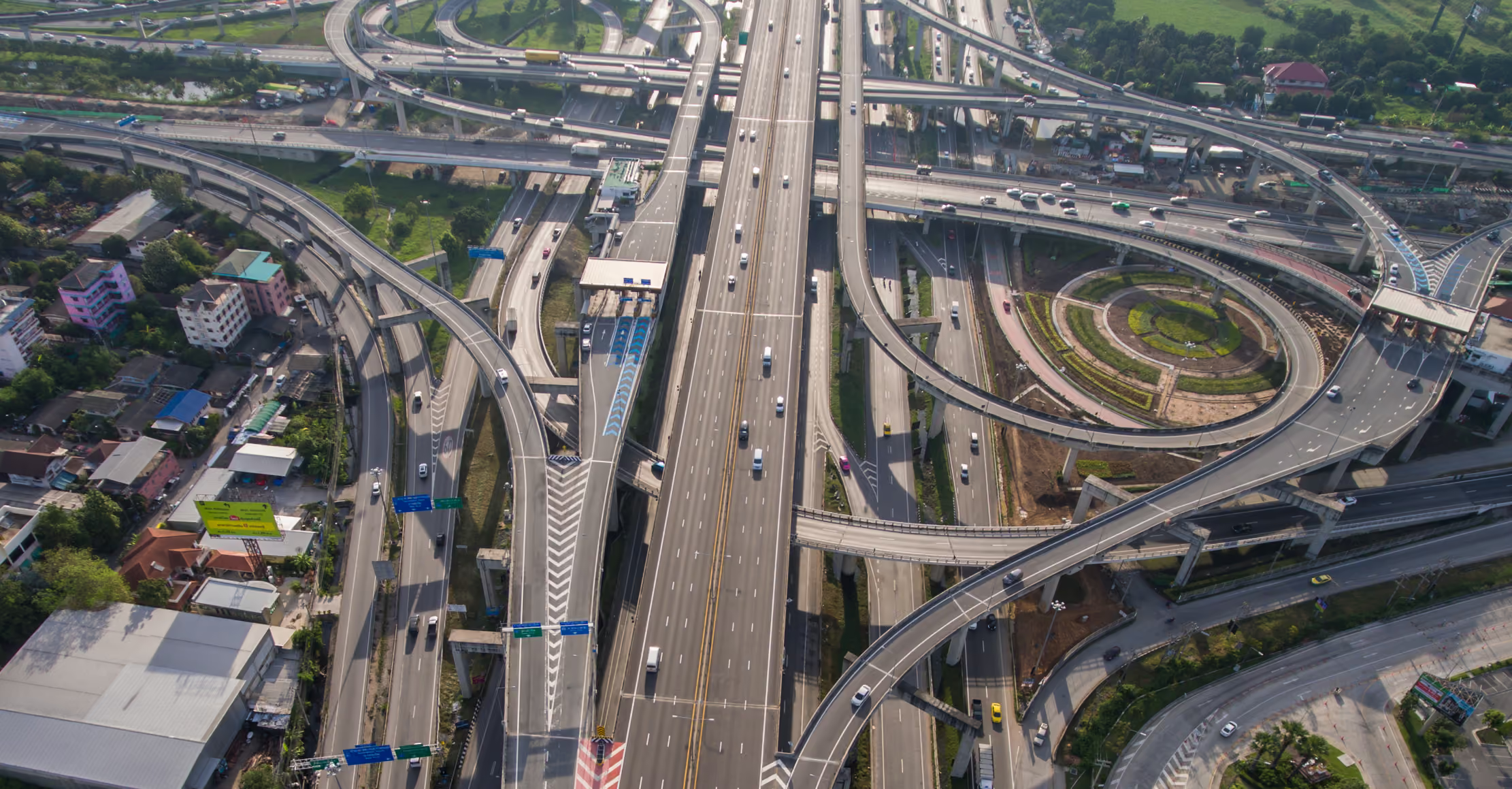
Streams processed centrally and integrated with the operator's command center software and its driver app.
Questions Integrators Ask
These are the questions that decide whether GoodVision goes into your proposal: which cameras it reads, how the data reaches your platform, where the processing sits and whether we compete with you for the customer. Each answer gives you the specification behind it.
Which Cameras Does It Read?
Any camera that delivers an RTSP stream in H.264 or H.265, from 640x480 up to 1920x1080 at 10 to 50 frames per second. Road users need to fill at least 5% of the view.
How Does the Data Reach Our Platform?
Events over HTTPS in under a second, webhooks and MQTT for push delivery, and a REST API for pull.
Can Everything Stay Inside the Customer Network?
Yes. Run the engine on an edge device or the customer's own GPU server, or run on-camera in standalone mode with no connection to GoodVision at all.
Can We Put Our Own Brand on It?
Yes, including your own subdomain and interface branding. Your brand is the one your customer sees.
Is the API Documented?
Yes. The Live Traffic REST API documentation is public, so your engineers can scope an integration before anyone signs anything.
Do You Compete With Us for the Customer?
No. GoodVision equips regional ITS integrators and leaves the account with them, with no exclusivity clause and no minimum volume.
What Does GoodVision Detect?
Volumes and classification, turning movements, speed, occupancy, queues and delay, stopped vehicles, wrong-way driving, violations, ANPR, and conflict events scored by PET and TTC.
Does It Match Our Local Classification Scheme?
GoodVision classifies road users with a global scheme. Regional schemes, including Singapore and Latin American passenger-transport categories, and custom vehicle configurations such as trailer combinations, are available on request.
Already Running on Public Road Networks
Road operators, national agencies and city authorities run GoodVision today. Each deployment is described by segment and region. Ask us for references when you scope a bid.
Scope Your Next Project With Our Engineers
Tell us which cameras, which network and which system the data has to reach. Our engineers will come back with the deployment topology and the integration path.