
Turn Every Highway and Toll Road Camera Into a Traffic Sensor
GoodVision Live Traffic is for highway and tollway operators who already run CCTV. It turns those cameras into sensors for automatic incident detection, traffic violation detection, real-time traffic monitoring and predictive analytics, on one platform. Each event reaches your control room over HTTPS in under a second, and your operators keep working in the ATMS they already use.
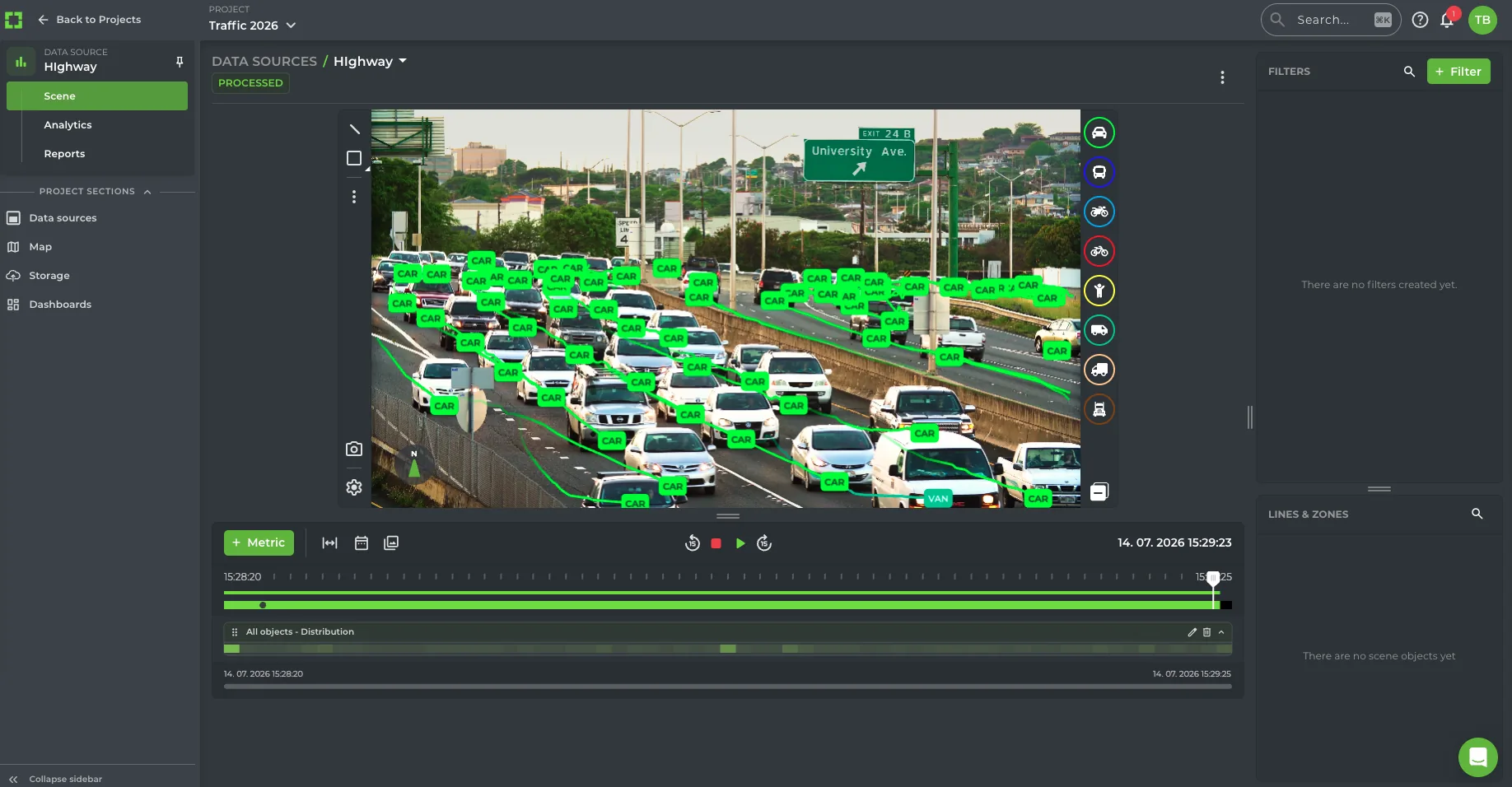
Highway and Toll Road Operations by the Numbers
More Camera Feeds, the Same Control Room
A control room that once watched dozens of feeds now has thousands, on the same shift pattern. Every camera you add stretches the time between an incident starting and someone noticing it. Automatic incident detection closes that gap by watching every feed at once and raising only the events that need a person.
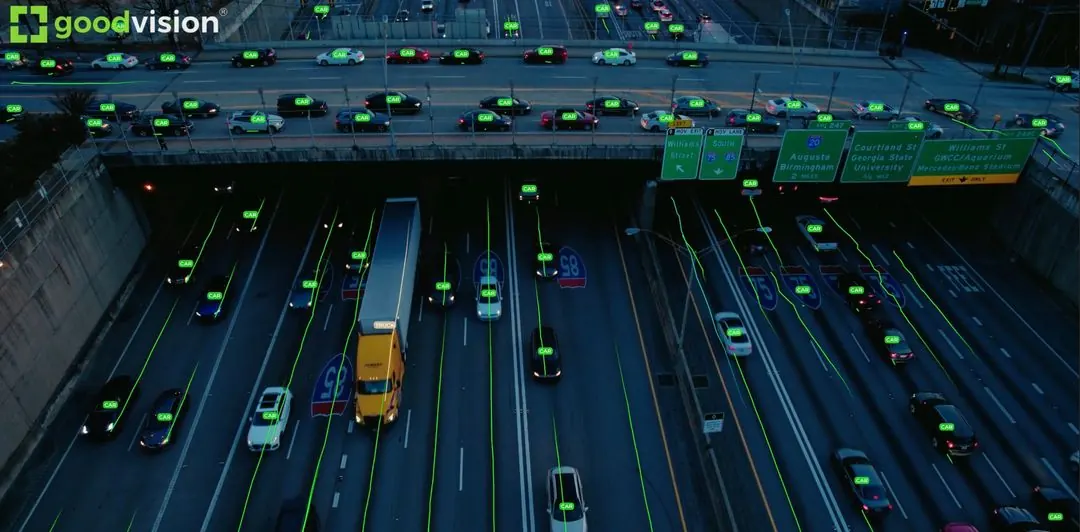
See each incident as it starts, before the first phone call from the road.
Shorten the time between an incident starting and a crew being dispatched.
Measured data on what the operation delivered, corridor by corridor, for your incident and congestion management contracts.
Four Systems, or One
Counting, incident detection, violation detection and analysis have usually meant four purchases, four integrations into the ATMS and four training burdens for your operators. GoodVision runs all four on the same trajectory data, through one integration that comes as standard.
Work Zones, Bridges, Tunnels and Toll Plazas
The same scenarios adapt to the parts of your network where an incident costs the most. You configure each camera for the site it watches, so a temporary work zone, a tunnel bore and a toll plaza each get their own zones, lanes and thresholds, all in one system.
Work Zones
Set the temporary speed limit on the cameras covering the closure and flag every vehicle over it, lane by lane. Stopped vehicle and congestion detection catch the queue building back from the taper, and a confirmed event can trigger the variable message signs upstream.
Bridges and Tunnels
There is often no shoulder to pull onto, so a stopped vehicle blocks a live lane. Vehicle stop detection, wrong-way detection and the fire, smoke and debris model watch each span and bore, and the alert reaches your control room in under a second.
Toll Plazas
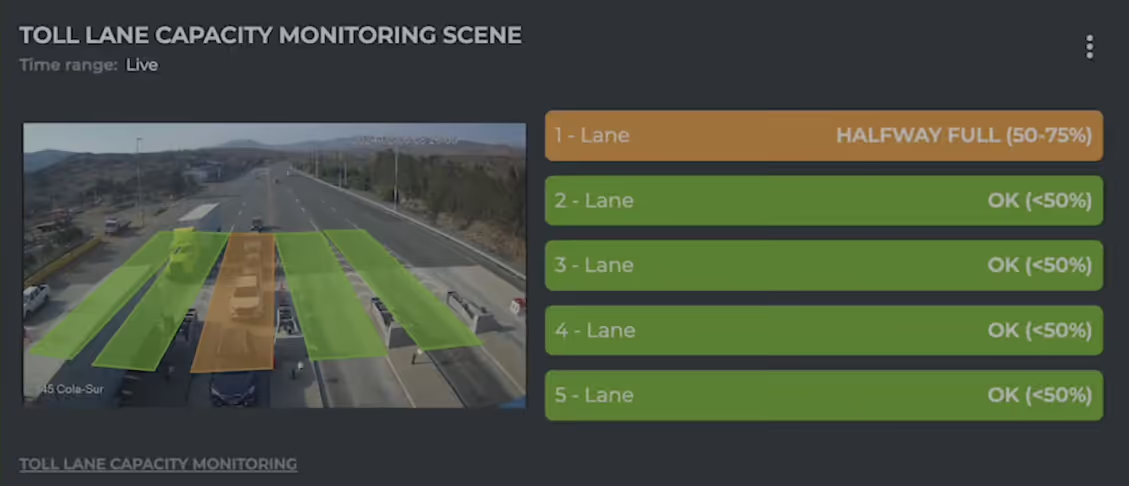
Toll lane capacity monitoring measures the queue at each gate. A Spanish toll plaza operator runs it in Chile on two to four existing cameras per plaza, with an alarm before an SLA breach turns into a penalty.
Automatic Incident Detection
Automatic incident detection watches every highway camera feed at once and raises only the events that need an operator. In GoodVision Live Traffic, each incident type is a scenario you switch on per camera and tune by direction, lane and vehicle class. Each event reaches your control room over HTTPS in under a second.
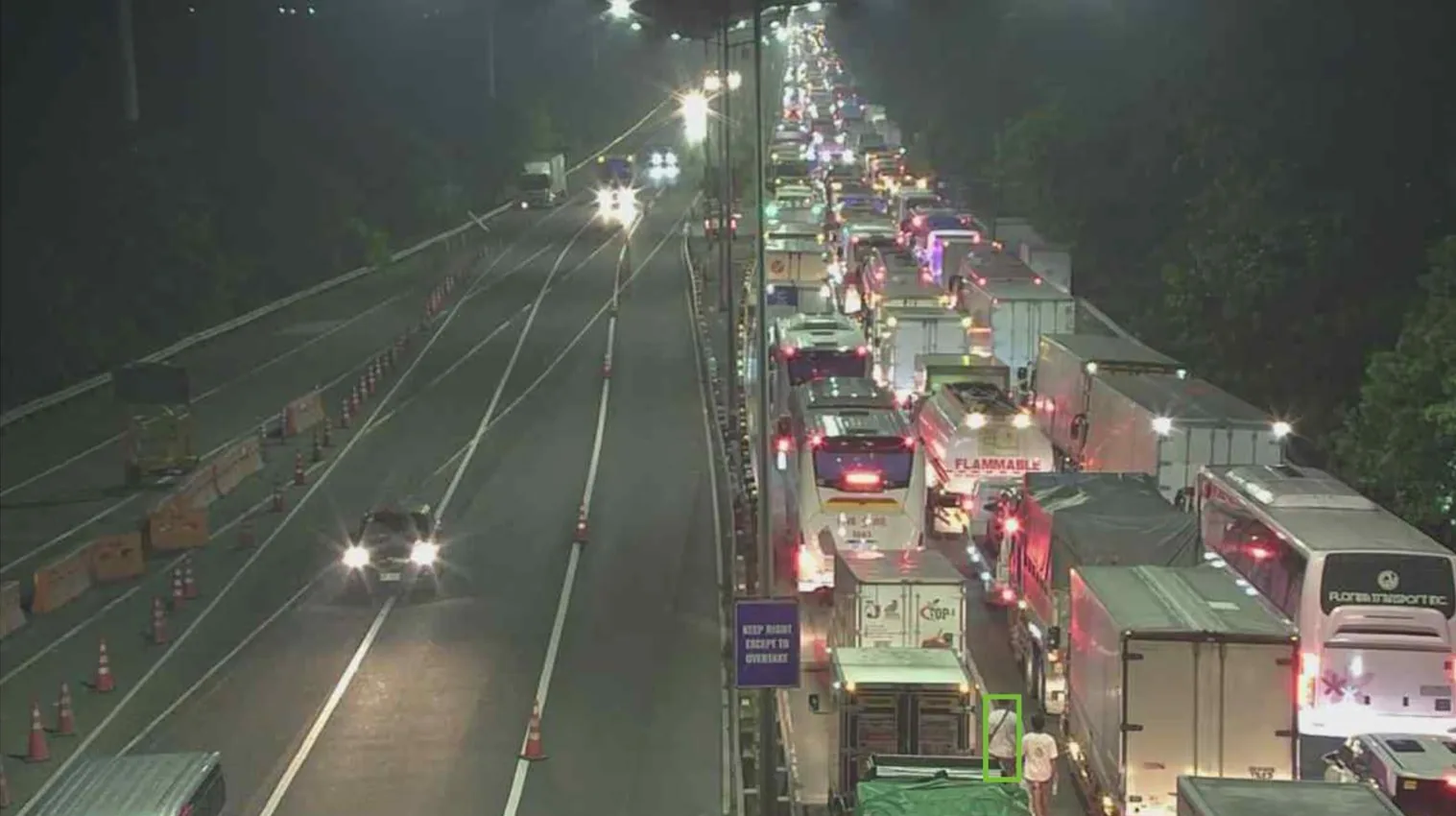
Five Incident Types in Production
Wrong-way driving, stopped and broken-down vehicles, congestion, speed limit violations, and fire, smoke and debris.
Congestion per Lane
Congestion level reported for each lane, banded Light, Moderate and Heavy.
Incident Conditions and Near-Misses
GoodVision detects the conditions around an incident and measures near-misses with PET and TTC.
Traffic Violation Detection
Traffic violation detection checks every tracked vehicle against the rules you set for its camera and raises an event when one is broken. On your highway, GoodVision Live Traffic detects four violation types live on CCTV or supported AI cameras, and sends each event with its time and location to your systems in under a second.
Four Violation Types
Wrong-way driving, speed limit violations, vehicle stops and illegal parking, each running live on the cameras you choose.
Limits per Lane and Class
Set a speed limit per lane and per vehicle class, so a temporary work zone limit applies to one stretch only.
An Image With Every Event
The REST API returns an image snapshot for each detected event, and the Event Report exports every event in .xls.
Real-Time Traffic Monitoring
Real-time traffic monitoring turns each highway camera into a permanent monitoring station. GoodVision Live Traffic measures classified counts, flow, speed, density, time gaps and congestion level per lane and per direction, continuously. You watch the data on live dashboards or pull it through the REST API into the systems your team already uses.
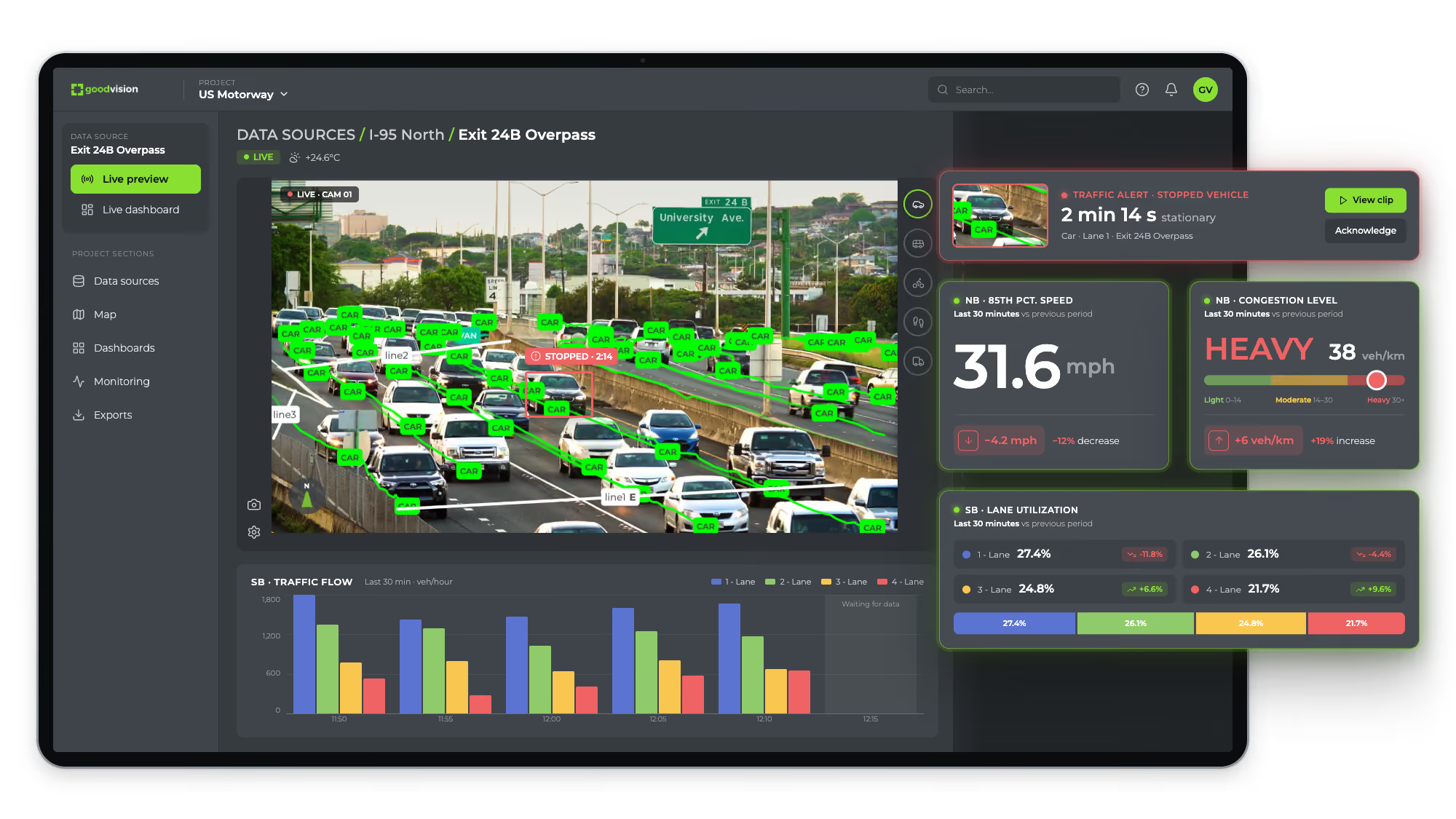
Speed per Lane
Average speed and 85th-percentile speed, the speed 85% of vehicles travel at or below, for every lane you monitor.
Toll Lane Capacity
Toll lane capacity monitoring tracks each lane at the plaza, with lane status and capacity events queryable through the API.
Data on Your Terms
Pull counts, speeds and occupancy through the REST API, aggregated from 1 second to 24 hours and filtered by lane and object class.
Predictive Analytics
Predictive analytics uses the traffic history your own cameras record to project how your corridor will behave next. In GoodVision Live Traffic, the prediction model trains and calibrates on your deployment for the first three months. Incident detection and monitoring work from day one, and you see predictions once the model is calibrated.
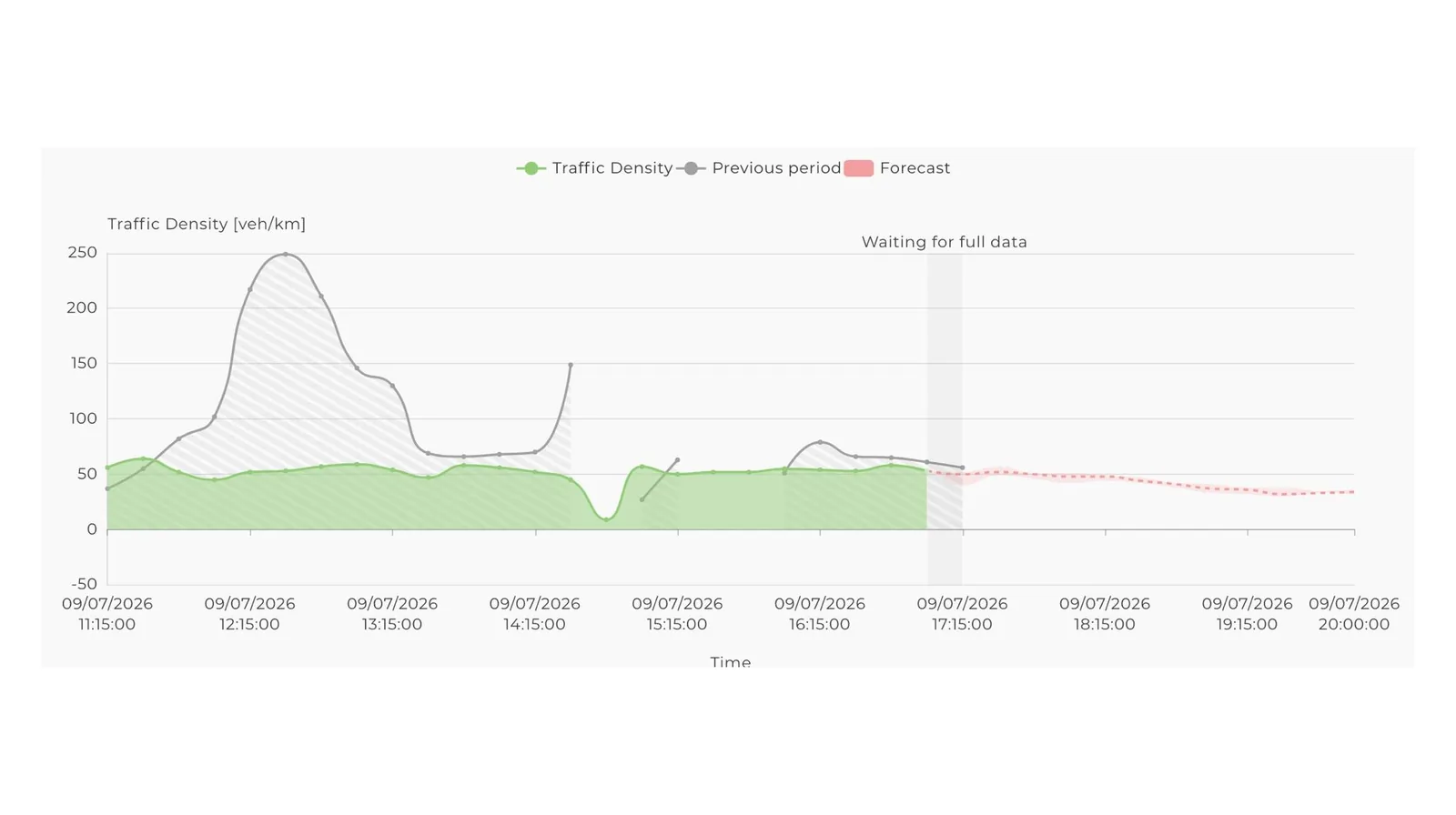
Trained on Your Corridor
The model learns from the counts, speeds and flow your own cameras record.
Three Months to Calibrate
The first three months of a deployment are the training and calibration period. Until then, only GoodVision staff see predictions.
Built on Live Measurements
Flow, density, average and 85th-percentile speed and time gaps, recorded per lane every day of the deployment.
Built to Feed the ATMS You Already Run
Events reach your traffic management system, your dispatch platform or your variable message signs over HTTPS in under a second. The REST API serves counts, speeds and occupancy aggregated from one second to 24 hours. Your operators keep working in the tools they know.
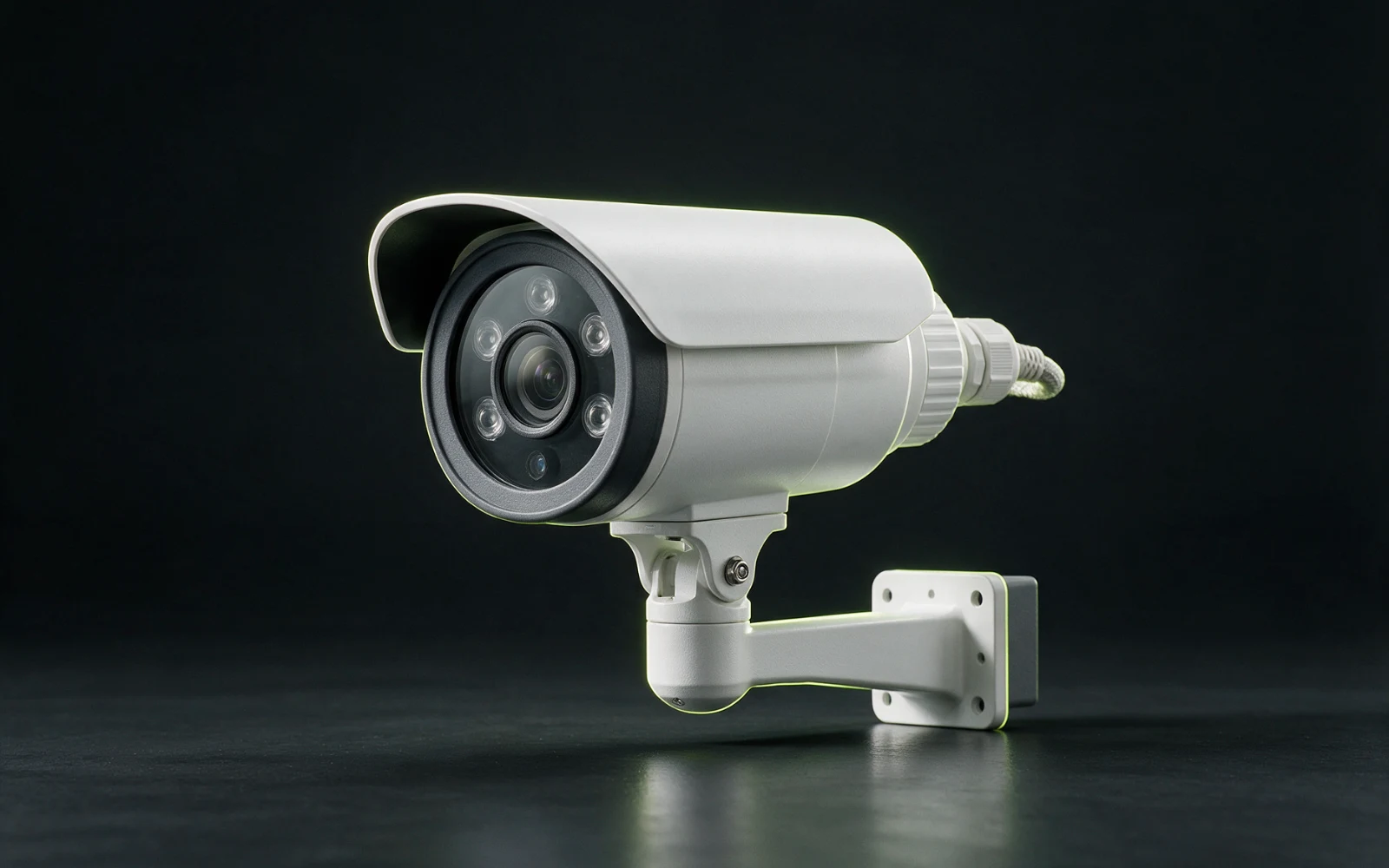
On-Camera
An AXIS® camera with a DLPU. The AI runs on the device itself.
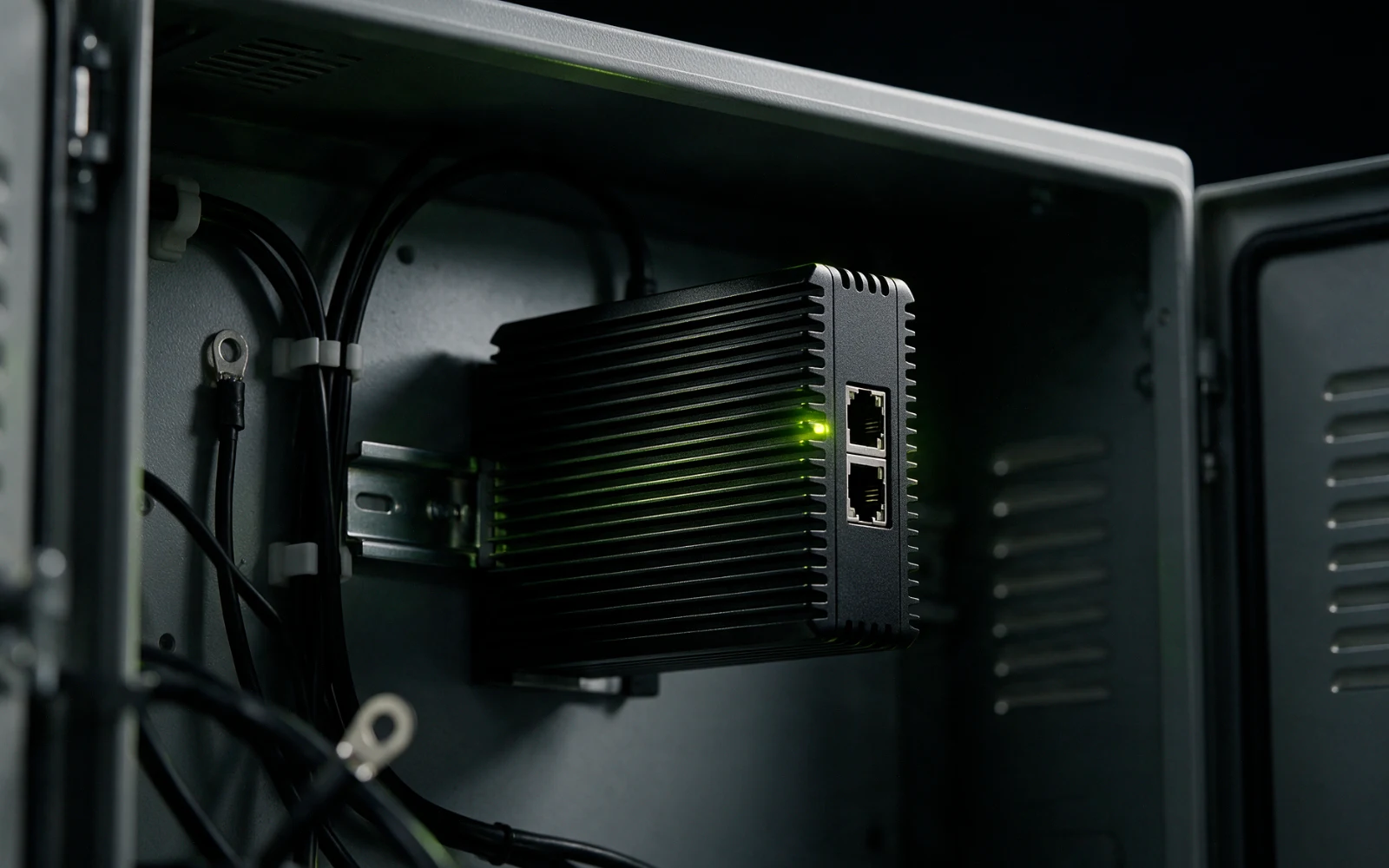
Edge Device
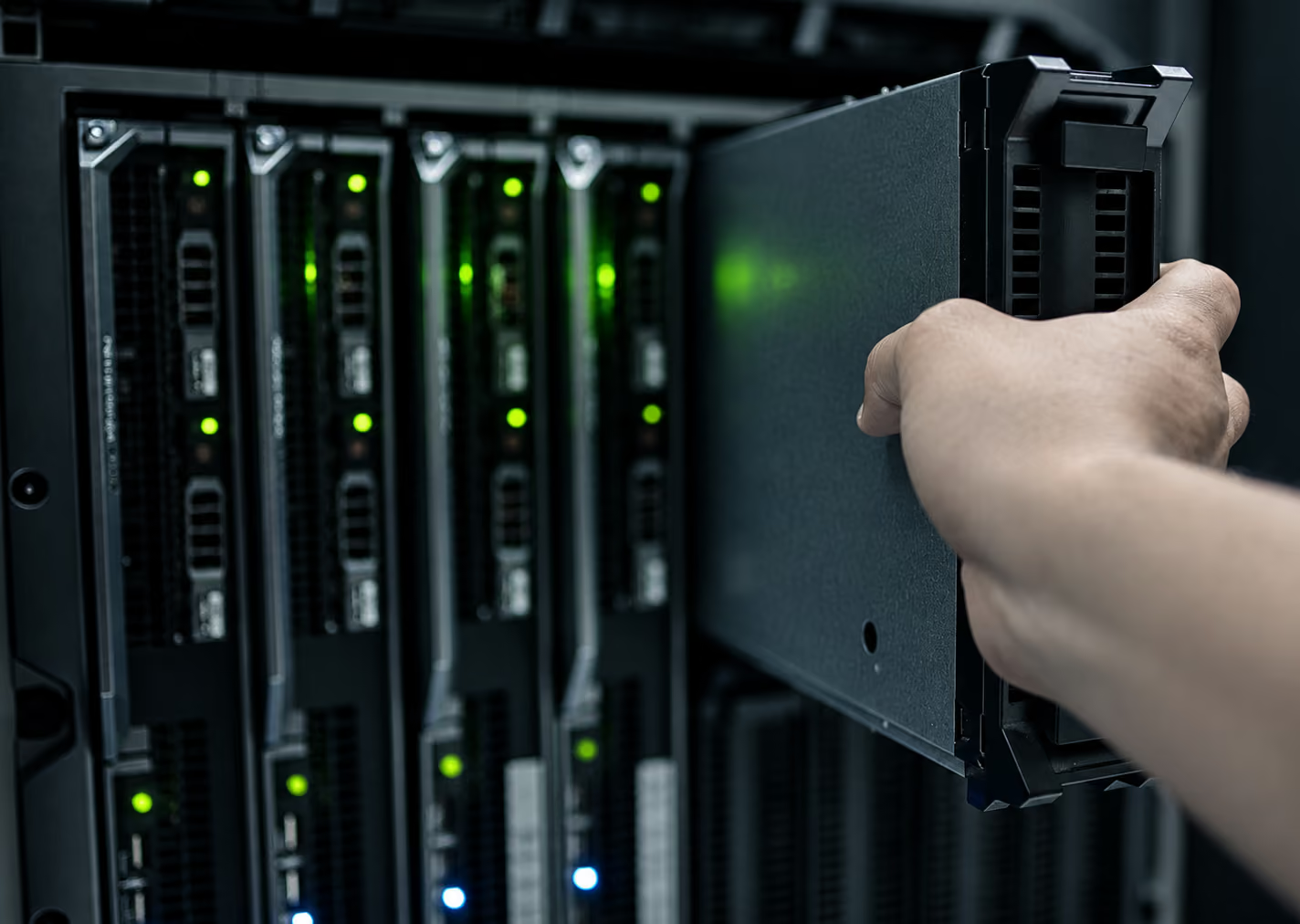
A reComputer-Industrial-J4012 sitting in the cabinet next to your existing CCTV cameras.
Your Own Server
Run the engine on your own NVIDIA GPU server, with any camera you already operate.
Routed per Event Type
Wrong-way driving to your dispatch platform, congestion to performance reporting. HTTP webhooks and message queuing, with a configurable payload format.
Signs and Driver Apps
Variable message signs, dry-contact relays and connected navigation platforms, triggered once an event is confirmed.
Configure, Watch, Reconstruct
Set zones, lanes, thresholds and alert rules per camera. Watch live overlays. Search and replay any past detection with its clip and data. The dashboards are optional.
Running on Highways and Toll Roads Today
Tollway concessionaires in the Philippines, Greece and Chile run GoodVision on cameras that were already on the road. Each deployment below went live on existing CCTV and feeds the systems its operators already used. Each row gives the operator's segment and region, the camera count and what the system delivers.
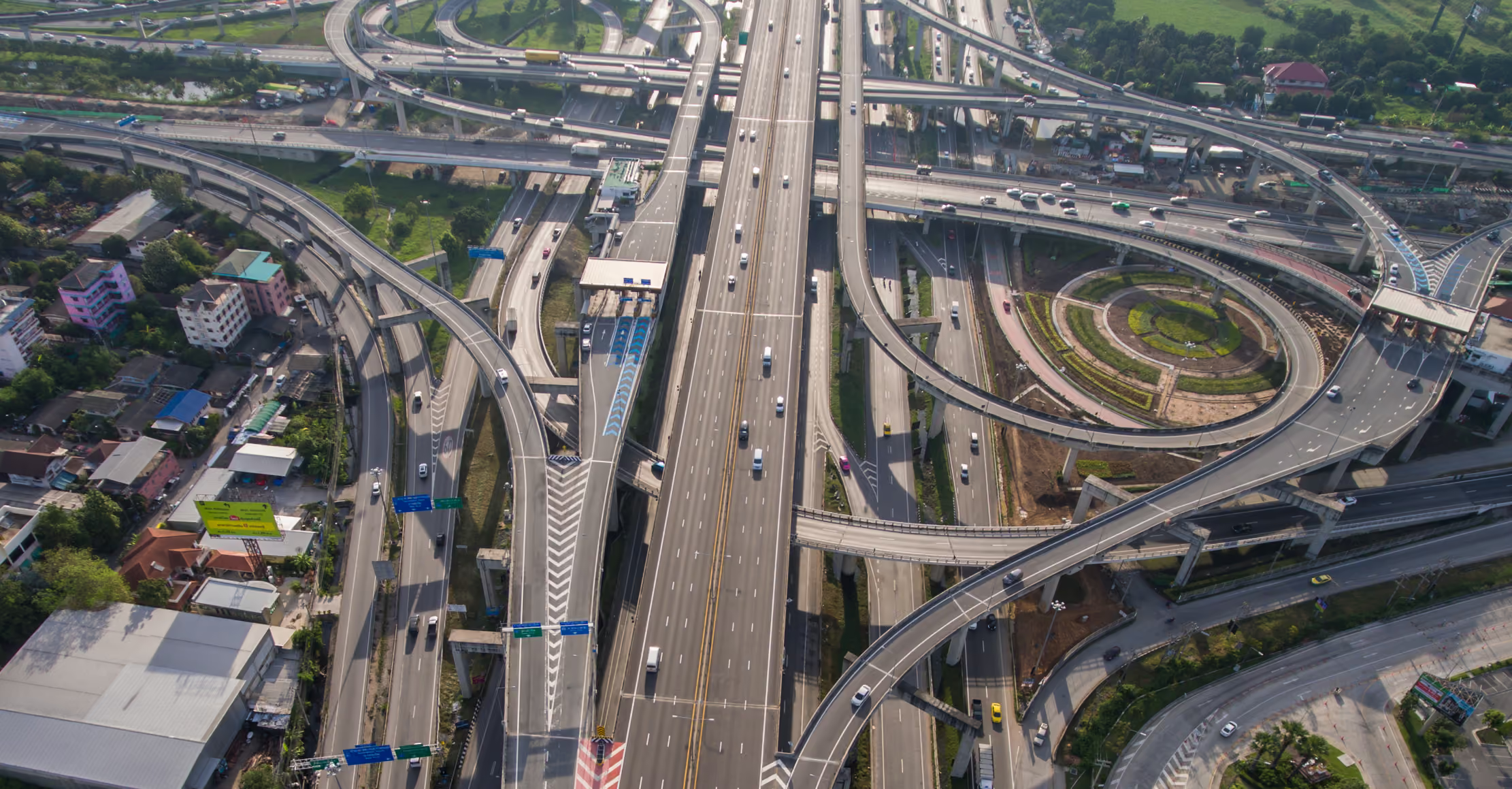
Automatic incident detection and predictive congestion analytics across 150+ existing CCTV cameras, processed centrally and integrated with the command center software and the driver app. Running since September 2025.
.avif)
Incident detection and traffic flow analysis processed on the edge, with historical analysis that finds the right maintenance windows and feeds the planning software API. Running since 2024.
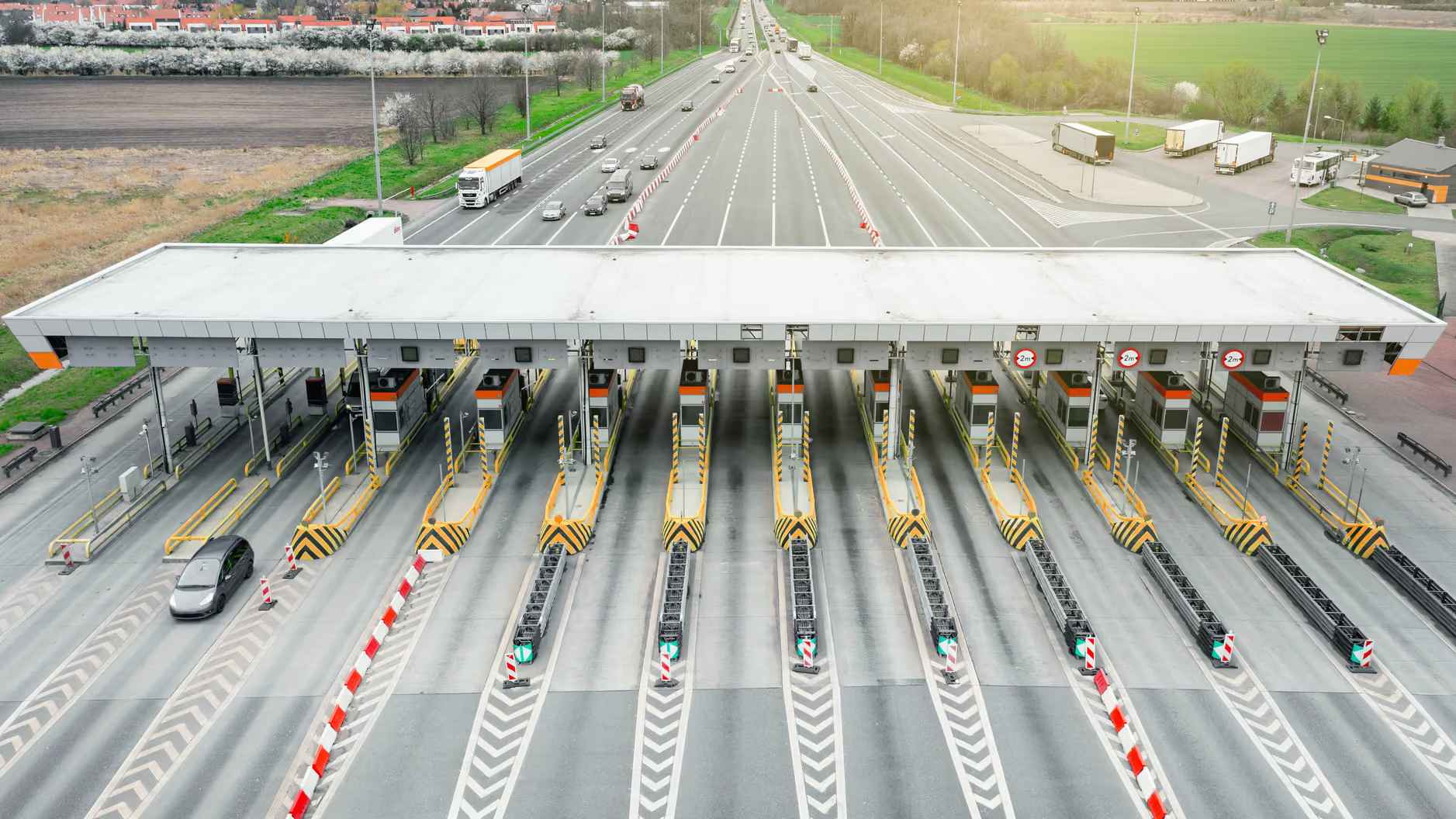
Queue and flow analysis on the toll gates. Live overlays tell operators when to open or close a lane, and alarms fire before an SLA breach turns into a penalty. Running since January 2024.
Pilot It on Your Own Corridor
A pilot is scoped case by case against an evaluation use case you set. All data stays inside your own network, so there is no data-sharing agreement or security review to clear first. Equipment arrives within days of agreeing to proceed, and the edge device sits on the pole, in the roadside cabinet or at the TMC.
Device Ships
A compact edge processor arrives with the software pre-installed.
Connect to Feeds
Directly to your cameras, or through the video management system you already run.
Configure
Set up the functionality under test.
Live on Real Traffic
Real events from your own corridor, the same day.
Questions Highway Operators Ask
These are the questions that decide whether GoodVision fits your corridor: whether it runs on your cameras, what it detects, where the processing sits, and how events reach your control room. Each answer is short and gives you the numbers behind it.
Does It Work With the Cameras We Already Have?
In most cases, yes. GoodVision reads standard RTSP streams in H.264 or H.265, from 640x480 up to 1920x1080, at 10 to 50 frames per second. Vehicles need to fill at least 5% of the camera view. Your current mix of camera brands works as it is.
Does GoodVision Detect Crashes?
No. It detects the conditions around an incident, such as a stopped vehicle, a wrong-way driver or congestion building in a lane. It scores near-misses with PET and TTC.
Where Does the Processing Run?
On a supported AXIS® camera, on an edge device in the roadside cabinet, or on your own GPU server. The detection is the same in all three, so the choice can follow your procurement and network rules.
How Do Events Reach Our Control Room?
Over HTTPS, in under one second from detection. Route them into your ATMS, your dispatch platform or your variable message signs, and pull aggregated counts, speeds and occupancy from the REST API.
When Do Predictions Become Available?
After three months. The prediction model trains on your own corridor for the first three months of a deployment. Once calibrated, it projects the corridor impact of an unresolved incident at 15, 30, 45 and 60 minutes, so operators pick a countermeasure such as a counter-flow lane, a lower posted speed, re-routing or dispatch against a forecast. Incident detection runs from the start of the deployment.
Can We Start on One Corridor?
Yes. Start on a single camera or a single segment, then extend to the rest of the network on the same platform and the same configuration.
See It on Your Own Corridor
Send us a stream or a recording from one of your cameras and we will show you what GoodVision finds in it. If you are an ITS integrator, talk to us about bringing it to your market.